
Why RERA Compliant Snagging Inspections Matter for New Property Buyers

A new property can look flawless during handover, yet still hide uneven tiles, poor sealant, faulty drainage, weak paintwork, loose fittings, or safety issues that only show up when someone checks carefully. Once the handover papers are signed and the excitement settles, those small defects can become costly, stressful, and harder to resolve.
That is why snagging inspections matter.
For buyers of new homes, apartments, villas, and investment properties, snagging is not just a final walk-through. It is a structured quality check designed to identify defects before accepting the property from the developer. When the inspection also follows RERA expectations, it gives buyers clearer documentation, stronger accountability, and a more reliable path to correction.
RERA rules vary by jurisdiction, so this article is for general information only and should not be treated as legal advice. Still, the core principle is consistent: buyers deserve a property that matches approved standards, promised specifications, and reasonable construction quality.

A snagging inspection protects the buyer before handover
A new property is often inspected at a busy and emotional moment. The buyer may be eager to collect keys, arrange furniture, or begin renting the unit. Developers may also be working through many handovers at the same time. In that setting, defects can be missed.
A professional snagging inspection slows the process down and turns a quick viewing into a careful review.
The inspector checks visible and accessible areas of the property, including finishes, fittings, doors, windows, plumbing, electrical points, air conditioning, drainage, flooring, walls, ceilings, and exterior areas where relevant. The goal is to build a clear list of issues that need attention before final acceptance or during the defect liability period.
Common defects found in new properties include:
Cracked, chipped, hollow, or uneven tiles
Paint runs, stains, rough patches, and color mismatch
Misaligned doors, cabinets, and wardrobes
Poor silicone work around kitchens and bathrooms
Loose sockets, switches, handles, and sanitary fittings
Inadequate water pressure or slow drainage
Scratched glass, damaged frames, or gaps around windows
AC performance concerns or poor airflow
Sloping floors, uneven surfaces, and unfinished edges
Water leaks, damp patches, or poor waterproofing signs
Some defects are cosmetic. Others affect function, comfort, safety, and long-term value. A professional report helps separate minor finishing issues from problems that require urgent correction.
This is where property Snagging becomes a practical form of protection rather than a box-ticking exercise.
RERA compliance adds structure and accountability
RERA, commonly known as the Real Estate Regulatory Authority or Agency depending on the market, exists to regulate real estate activity and protect stakeholders in the property sector. While the exact rules and processes differ by location, RERA frameworks often focus on transparency, quality, fair dealing, and proper documentation.
A RERA compliant snagging inspection supports those principles by creating a clear and organized record of the property’s condition at handover.
That record matters because verbal complaints are easy to dispute. A vague message saying “the bathroom is not finished well” may not lead to quick action. A structured snagging report with photos, defect descriptions, room locations, severity notes, and recommended corrections is far harder to ignore.
A compliant approach may include:
Identifying defects against approved plans, specifications, and expected workmanship
Documenting issues with clear photographs and location references
Using inspection methods aligned with recognized handover and quality practices
Preparing a professional report that the buyer can submit to the developer
Helping the buyer track rectification before signing off
Supporting evidence-based communication during the defect liability period
The strength of RERA compliant snagging is not only in finding defects. It is in creating a reliable paper trail.
A good snagging report should make defects visible, specific, and easy to act on. The clearer the record, the easier it is to request proper rectification.
How Maestro Snaggers supports RERA compliant inspections
Maestro Snaggers helps buyers approach handover with a professional inspection process designed around clarity, quality, and compliance. The service focuses on identifying defects in new properties and presenting them in a format that supports communication with developers and handover teams.
A buyer may notice obvious problems, such as a cracked tile or a faulty door handle. A trained inspector looks deeper and follows a system. That system is what makes the inspection more useful.
Maestro Snaggers supports RERA compliance through several practical steps.
The inspection follows a clear checklist
A reliable inspection is never based on memory alone. Maestro Snaggers uses a structured checklist that covers major areas of the property, from entrance doors to bathrooms, balconies, kitchens, utility areas, and MEP-related visible checks.
This helps reduce the chance of overlooked defects. It also creates consistency between different properties, whether the unit is a compact apartment or a larger villa.
The report is evidence-based
Photos, location notes, and written descriptions make the findings easier to understand. Instead of a general complaint, the report points to the specific room, surface, fixture, or system involved.
For example, a good report does not simply say “tiles are bad.” It identifies the affected area, describes whether the tile is chipped, uneven, cracked, hollow, or poorly grouted, and supports the note with an image.
That evidence gives buyers a stronger basis for requesting correction.
The inspection focuses on handover standards
New properties should be delivered in a condition that reflects the sales agreement, approved materials, workmanship expectations, and safe use. Maestro Snaggers checks the property with those handover expectations in mind.
This can help buyers avoid accepting work that is incomplete, rushed, or below the promised standard.
The process helps buyers communicate with developers
A professional report can reduce misunderstandings. Developers and contractors are more likely to respond to specific, documented items than broad comments.
The report also helps buyers follow up after corrections. If the developer says an item has been fixed, the buyer can compare the corrected work against the original report.

Professional snagging finds what a quick viewing misses
A handover viewing is not the same as a technical inspection. Buyers often walk through the unit while thinking about furniture placement, move-in dates, payment steps, or rental plans. That makes it easy to miss defects that are small, hidden, repeated, or only visible under certain lighting.
Professional inspectors bring three things to the process: experience, tools, and discipline.
They know where defects commonly appear in new builds. They check corners, edges, joints, seals, slopes, pipe connections, door gaps, cabinet alignment, and wall finishes. They test items in a steady sequence instead of reacting only to what stands out.
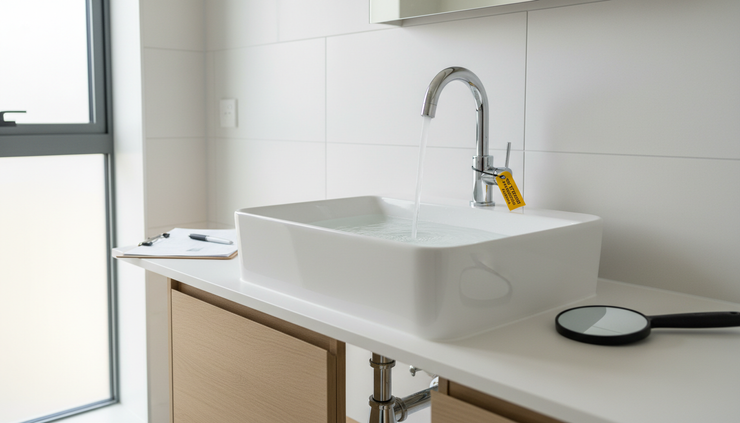
A professional may also use basic inspection tools to support findings, such as levels, socket testers, moisture meters, thermal tools where appropriate, or water flow checks. The exact tools depend on the property type and inspection scope.
The main benefits of using a professional snagging service include:
Better defect detection
Inspectors look beyond surface appearance. They check function, fit, finish, and consistency across the unit.
Improved repair requests
A clear report helps the developer understand what needs fixing and where it is located.
Less emotional pressure
The buyer does not have to argue from memory or try to inspect while managing the handover process.
Protection of property value
Poor finishes and unresolved defects can affect resale appeal, rental readiness, and long-term maintenance costs.
Support during the defect liability period
If follow-up is needed, the original snagging report gives the buyer a reference point.
A professional Property inspection does not guarantee that every hidden issue will be found, especially if areas are concealed or systems are not fully accessible. It does improve the buyer’s chance of identifying visible and testable defects before they become the buyer’s problem.
What happens during a snagging inspection
The process is usually straightforward, but it works best when the buyer understands what to expect.
The inspection is scheduled before or around handover
The ideal time is before final handover or before the buyer signs final acceptance, where the developer allows access. If that is not possible, the inspection should happen as soon as access is granted, especially during the defect liability period.
The buyer should confirm access, keys, parking, building permissions, and whether utilities are active. Running water, electricity, and air conditioning access can make the inspection more complete.
The inspector reviews each area methodically
A proper inspection covers the property room by room. The inspector checks finishes first, then fittings, fixtures, openings, wet areas, electrical points, cooling systems, and visible services.
In a typical apartment, this may include:
Entrance door, locks, handle, frame, and threshold
Living and dining areas
Bedrooms and built-in wardrobes
Kitchen cabinets, counters, backsplash, sink, taps, and appliances if included
Bathrooms, sanitaryware, mirrors, grouting, sealant, drainage, and ventilation
Windows, balcony doors, glass, tracks, and seals
Balcony finishes, railings, drainage, and exterior fittings
Electrical sockets, switches, lights, and visible panels
AC vents, thermostats, and airflow checks where available
Walls, ceilings, flooring, skirting, and paintwork
For villas, the scope may also include staircases, roof access areas, gardens, garages, boundary walls, external finishes, and drainage points, depending on accessibility and service agreement.
Findings are recorded with photos and notes
The inspector documents each defect in a report. Good reporting is plain and direct. It should help the buyer, developer, and contractor understand the issue without guessing.
A useful report typically includes:
Location of the defect
Description of the issue
Supporting photograph
Severity or priority where appropriate
Suggested action or correction
Summary of total findings
This format helps avoid confusion and supports a cleaner rectification process.
The buyer submits the report to the developer
After receiving the report, the buyer can send it to the developer or handover team for rectification. The developer may assign the work to the main contractor, subcontractors, or maintenance team.
Buyers should keep written records of submissions, responses, promised timelines, and completed items. Written communication is especially useful if disagreements arise later.
A reinspection confirms whether repairs are complete
Once the developer says the snags have been fixed, a reinspection can confirm the work. This step matters because some repairs are incomplete, cosmetic, or create new issues.
For example, a cracked tile may be replaced, but the grout may be poorly finished. A leak may be sealed, but staining may remain. A cabinet door may be adjusted, but alignment may still be uneven.
A reinspection helps the buyer avoid signing off too early.
What buyers should prepare before the inspection
A little preparation helps the inspection run smoothly.
Documents are helpful if available. These may include the sales agreement, floor plan, finishing schedule, appliance list, handover notice, and any developer specifications. The inspector can use these to compare the delivered property with what the buyer was promised.
Buyers should also make sure utilities are active if possible. Without power or water, the inspection may be limited. Some checks can still be done, but plumbing, electrical, lighting, and AC performance may not be fully testable.
Before the appointment, buyers should:
Confirm the inspection date and access time with the developer
Make sure keys, access cards, and parking are arranged
Request that electricity and water are available
Share any known concerns with the inspector
Avoid moving furniture or personal items into the property before snagging
Attend if possible, but allow the inspector to work without interruption
The property should be empty and clean enough to inspect. Dust, construction debris, or stored materials can hide defects.
Why snagging should not be delayed
Some buyers plan to inspect after moving in. That can create problems.
Once furniture is installed, walls are decorated, and appliances are used, it may become harder to prove whether damage came from construction or occupancy. Developers may also be less responsive if the buyer waits too long or misses the formal defect reporting window.
Early snagging gives the buyer a cleaner position. The property is still in its delivered state, and defects can be documented before use. This matters for cosmetic issues, but it matters even more for leaks, drainage concerns, AC issues, and electrical faults.
Delaying can also affect rental plans. If a property is intended for tenants, unresolved snags may delay listing, reduce tenant satisfaction, or lead to maintenance complaints soon after occupancy.
A professional inspection before handover can help the buyer start ownership with fewer surprises.
The difference between minor snags and serious defects
Not all defects carry the same weight. A small paint touch-up is different from a leak under a basin. A loose handle is different from a faulty balcony door lock.
A professional report helps buyers understand priority.
Minor snags may include paint blemishes, small chips, uneven sealant, light scratches, or minor alignment issues. These should still be corrected, but they may not stop occupation.
Moderate defects may affect comfort or usability, such as doors that do not close properly, poor water pressure, visible gaps, cracked tiles, loose fixtures, or faulty lights.
Serious defects may involve water leakage, electrical concerns, safety issues, poor drainage, major cracks, missing components, weak balcony barriers, or evidence of dampness. These need urgent attention and should not be ignored.
The value of a professional snagging service is that it helps buyers move beyond guesswork. It turns a long list of observations into an organized set of priorities.

Quality at handover shapes the ownership experience
Buying a new property is a major commitment. The handover condition affects comfort, maintenance, rental readiness, and confidence in the purchase.
RERA compliant snagging inspections help buyers protect that commitment. They provide clear evidence, support fair communication with the developer, and encourage defects to be corrected before they become long-term frustrations.
Maestro Snaggers brings structure to this stage by inspecting new properties carefully, documenting defects clearly, and supporting buyers through a process aligned with RERA expectations. The result is a more informed handover and a stronger basis for quality assurance.
A new property should feel new in more than appearance. It should be complete, functional, safe, and delivered to the standard promised. A professional snagging inspection helps make that expectation visible, measurable, and easier to defend.


Comments