
Why Property Defects Stay Hidden at Handover

A home can look finished and still hide problems behind paint, tile, cabinetry, landscaping, and fresh sealant. That is what makes handover so tricky. The keys are ready, the rooms are clean, and the paperwork may say the project is complete, yet some defects only show themselves days, weeks, or months later.
Handover is a moment of high expectations. Buyers, owners, tenants, and project teams all want closure. But buildings are layered systems, not single products rolling off a factory line. Many parts depend on weather, sequencing, workmanship, materials, testing, and time. When something is concealed inside a wall, under a floor, above a ceiling, or behind equipment, it can pass through handover unseen.
That does not always mean someone acted in bad faith. Some hidden defects are the result of rushed work or poor quality control. Others are simply hard to detect during a short walkthrough. Knowing why defects stay hidden makes it easier to spot risk, ask better questions, and document issues before they become arguments.
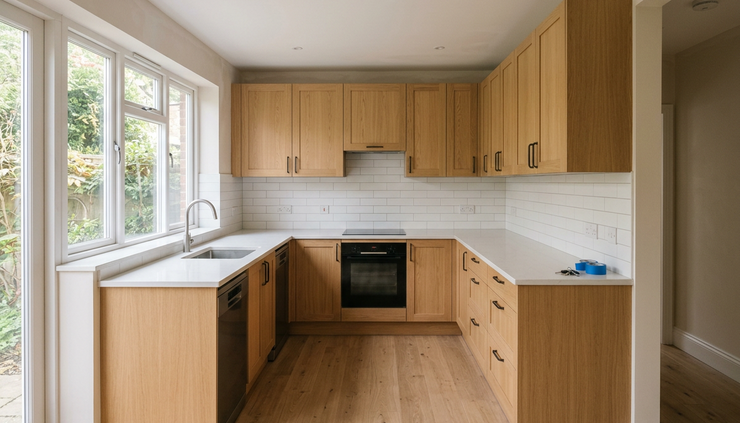
A finished surface can hide unfinished work
Most defects that remain hidden at handover sit behind finished surfaces. A wall might be freshly painted, but the framing, insulation, wiring, plumbing, or waterproofing behind it may not be visible anymore. Once drywall, tile, flooring, trim, or cabinetry goes in, the work becomes harder to inspect without opening something up.
This is especially common in areas where several trades overlap.
Bathrooms are a clear example. A tile wall can look neat while hiding poor waterproofing, weak substrate preparation, or an incorrectly sloped shower pan. The defect may not appear until water finds the weak point. By then, the visible symptom might be stained drywall, loose tile, a musty odor, or damage in a room below.
Kitchens have the same risk. Cabinets and appliances can hide plumbing connections, unsealed penetrations, pinched supply lines, or missing access panels. A small leak under a sink may not be obvious during a walk-through if no one runs the water long enough or checks the cabinet base afterward.
Exterior finishes can also hide issues. Siding, stucco, trim, and paint may cover poor flashing around windows and doors. The wall can look complete from the outside, while water has an easy path into the structure during wind-driven rain.
The main problem is simple: handover is often based on what can be seen, not on every layer that was installed earlier.
Some defects need time before they show themselves
Not every defect appears immediately. Buildings move, dry, settle, expand, contract, and respond to weather. A problem that is invisible on handover day may become obvious only after the property has gone through a few normal cycles of use.
Common time-delayed defects include:
Hairline cracks that appear after drying, settlement, or seasonal movement
Doors that begin sticking after humidity changes
Flooring gaps that widen once indoor conditions stabilize
HVAC issues that show up during extreme heat or cold
Roof leaks that only appear during heavy rain
Drainage problems that become visible after a storm
Condensation where insulation, ventilation, or air sealing is poor
This matters because a short inspection catches only a snapshot. If the day is dry, mild, and bright, weather-related issues may stay hidden. If no one has lived in the home yet, the systems have not been tested under real daily use.
A drain may work when water flows for 10 seconds, but that does not prove it handles repeated use. Windows may look properly installed, but a driving storm may reveal missing sealant or flashing later.
This is one reason warranties, defect liability periods, and punch list follow-ups matter. They create a window for problems that were already present but not yet visible.

The handover walkthrough has natural limits
A typical handover walkthrough is not the same as a full forensic inspection. It often happens under time pressure, with multiple people present, a long checklist, and a strong sense that the project is nearly done.
That creates gaps.
People tend to focus on visible and familiar items, such as paint marks, scratched glass, chipped countertops, missing hardware, or uneven trim. Those issues matter, but they are not always the most expensive defects. The bigger risks may sit in places no one opens or tests properly.
During a handover, these areas are often missed:
Attics and roof spaces
Crawl spaces
Behind access panels
Under sinks and vanities
Inside mechanical closets
Exterior drainage paths
Window and door flashing details
Roof penetrations
Garage and basement corners
Appliances that need full operating cycles
Lighting also affects what people see. A room can look flawless under overhead lights but show poor drywall finishing in low-angle daylight. Reflections can hide scratches on glass or reveal them only from a certain position. Flooring defects can disappear when the space is empty and reappear when furniture, rugs, or lighting create shadows.
Fatigue plays a role too. By the time someone reaches the last rooms, they may stop checking with the same care. Small assumptions build up fast. If the first several outlets work, people may assume the rest do. If one window opens smoothly, they may stop operating every sash.
A rushed walkthrough can create a false sense of completion.
Documents can look complete while site conditions differ
Handover often includes manuals, certificates, warranties, inspection signoffs, appliance documents, and compliance paperwork. These documents are useful, but they do not always prove every part of the property performs well in real use.
A document may confirm that a system was installed, tested, or approved at a certain stage. It may not show whether later work damaged that system. For example, a waterproofing layer might pass inspection before tile goes in, then get punctured during later installation. An HVAC duct may be installed correctly, then crushed or disconnected when another trade works nearby.
Construction is sequential, but it is not always tidy. Many defects occur after an earlier inspection has already been completed.
There can also be a gap between drawings and as-built conditions. A plan might show proper grading away from the house, but the final landscaping may create low spots that hold water. A drawing may show clear access to equipment, but the finished installation may make filter changes or maintenance harder than expected.
Paperwork helps create accountability. It should not replace observation, testing, and follow-up.
What appears complete | What may still be hidden |
Fresh paint and trim | Poor drywall prep, movement cracks, moisture stains waiting to appear |
New tile and grout | Inadequate waterproofing, hollow spots, weak substrate |
Working faucets | Slow leaks, poor drainage, loose fittings inside cabinets |
Finished exterior siding | Missing flashing, gaps around penetrations, trapped moisture |
Clean mechanical space | Loose ducts, poor condensate drainage, hard-to-access filters |
Some defects are hidden by normal construction cleanup
A clean property feels reassuring. It also removes evidence.
Dust, offcuts, packaging, temporary coverings, and tools are cleared before handover. That is good, but cleanup can hide clues that would have pointed to problems. Once floors are polished and surfaces are wiped down, it becomes harder to see where water pooled, where grout haze was excessive, where repairs happened, or where materials were stored badly.
Fresh caulk and paint can also mask issues. A quick cosmetic repair may cover a crack without fixing the cause. Sealant may hide a gap temporarily, then shrink, split, or pull away. Paint can conceal water staining until moisture returns.
Landscaping has a similar effect. New sod, mulch, gravel, or planting beds may make an exterior look complete while covering poor grading, buried debris, low spots, or areas where water will collect against the foundation.
This is why fresh finishes need a cautious eye. Clean does not always mean correct.

Complex systems are harder to test in a single visit
Modern properties depend on connected systems. HVAC, ventilation, plumbing, electrical circuits, appliances, drainage, insulation, windows, and controls all need to work together. A handover visit may confirm that each item turns on, but it may not reveal whether the whole system performs well.
Take HVAC. A system can power up and blow air while still having poor airflow balance, loose ductwork, blocked returns, incorrect thermostat placement, or undersized grilles. The defect may only become clear when one room stays hot, another stays cold, or energy use seems abnormal.
Plumbing has similar layers. Water may run at the tap, but pressure, drainage, venting, and leak tightness need more than a quick check. Small supply leaks can take time to show. Poorly sloped drains may work under light use but struggle later.
Electrical defects are often invisible unless someone tests the right items. A room can have working lights while a miswired outlet, nonfunctioning GFCI protection, overloaded circuit, or incorrect labeling remains unnoticed.
Then there is ventilation. Poor bathroom extraction, blocked dryer vents, or inadequate attic ventilation may not stand out at handover. Later, they can contribute to condensation, odors, or moisture damage.
The more complex the property, the easier it is for a defect to hide inside normal-looking operation.
Expectations can blur the difference between a defect and a tolerance
Not every imperfection is a defect. Construction has tolerances. Materials have natural variation. Some small cracks, surface marks, color differences, or movement may fall within acceptable limits, depending on the contract, standards, and local rules.
This gray area can make handover more difficult.
One person may see a wall as uneven. Another may say it falls within tolerance. A homeowner may notice a slight floor variation once furniture is placed. A builder may argue that the variation is normal for the material or installation method.
The problem becomes sharper when expectations were shaped by renderings, model homes, or showroom samples. Real materials rarely match those perfectly across every room and light condition. Stone, wood, tile, grout, and paint can vary.
Clear standards help. So do photos, written notes, manufacturer guidance, contract specifications, and independent inspections when needed. Without that record, small concerns can turn into disputes that rely on memory.
Pressure to close can reduce careful checking
Handover often sits at the end of a long process. Everyone may be tired. The owner wants access. The builder wants final payment or release. The agent or project manager wants the schedule to hold. Movers may already be booked.
That pressure can push people to accept “minor items” that deserve more attention.
A missing doorstop is minor. A slow leak behind a vanity is not. A paint touch-up can wait. A roof drainage concern before a storm season should not be waved through casually.
The risk is that visible small issues fill the punch list while hidden performance issues remain untested. A long list of cosmetic items can crowd out the harder questions:
Has water been run at all fixtures long enough to check for leaks?
Have all windows and doors been opened, closed, locked, and checked for drafts?
Has the HVAC been tested in relevant modes?
Has exterior drainage been reviewed after rain or simulated water flow?
Are access panels present and usable?
Are manuals and warranties matched to the actual installed products?
Are attic, crawl space, basement, and mechanical areas clean and accessible?
A good handover slows the process down enough to separate cosmetic cleanup from real risk.

How to reduce the chance of hidden defects
No handover process can uncover everything. Still, a careful approach can reduce surprises and create a stronger record if defects appear later.
Start with time. Do not treat handover as a quick key exchange. Walk the property in daylight if possible. Bring a phone or camera, a charger, a flashlight, painter’s tape, and a simple checklist. Open closets, cabinets, panels, windows, and doors. Run water. Flush toilets. Check under sinks after water has been running. Test appliances through meaningful cycles when practical.
Look beyond eye-level finishes. Check corners, thresholds, ceilings, floor transitions, exterior penetrations, and places where different materials meet. Many defects appear at junctions because that is where movement, moisture, and workmanship meet.
Document everything clearly. Take wide photos for context and close images for detail. Note the room, location, date, and concern. Vague notes such as “bad finish” are less useful than “main bathroom, left side of vanity, water stain at cabinet base after running sink for two minutes.”
If the property is new or recently renovated, ask for key records:
Product manuals and warranty information
Final inspection documents where applicable
Drawings or as-built information if available
Paint colors and finish schedules
Appliance model details
Maintenance requirements for systems and materials
Written punch list items with target completion dates
For higher-risk properties or major purchases, an independent inspection can add value. Inspectors cannot see through walls, but they can often spot warning signs that casual walkthroughs miss. They may also recommend further evaluation by a licensed trade professional when something looks wrong.
The real lesson is to expect layers, not perfection
Property defects stay hidden at handover because buildings are layered, time-dependent, and hard to test fully in one visit. Fresh finishes can conceal earlier mistakes. Weather may not have tested the exterior yet. Systems may work briefly but fail under normal use. Paperwork may be complete while site conditions still deserve attention.
The best response is not suspicion. It is structure. Give the walkthrough enough time. Test what can be tested. Look in the less comfortable places. Record concerns in writing. Follow up during the warranty or correction period before small signs become bigger repairs.
A property can look ready and still need careful checking. Handover is not the end of quality control. It is the point where a new kind of inspection begins.
How Maestro Snaggers Helps Dubai Property Owners
Maestro Snaggers is a Dubai based property inspection company offering detailed snagging reports for homeowners, investors, and landlords. Our services include:
Handover property snagging to find defects before you accept the keys
11th month warranty inspections to claim repairs before the warranty period ends
Property condition assessments for a clear view of a property's state
Move in and move out inspections for tenants and landlords
Renovated property inspections to check workmanship after fit out
Resale property inspections for buyers who want to know what they are paying for
Each report is clear, photographed, and ready to submit to your developer, so defects get fixed at their cost and not yours.
What to Do Before You Accept the Keys
Book a professional snagging inspection before signing the handover documents.
Ask for a written, photographed snag list to send to the developer.
Have the developer fix every item and arrange a re-inspection.
Keep copies of all reports, emails, and photos.
Check your sale and purchase agreement for the defects liability period and plan a DLP inspection before it ends.
Frequently Asked Questions
Why are some property defects not visible at handover?Fresh paint, deep cleaning, and staged finishing hide many faults. Others, such as leaks, electrical errors, and drainage problems, only appear when systems are tested or after the unit has been used.
Can I inspect the property myself instead of hiring a snagging company?You can note obvious issues, but you will likely miss hidden ones. Professional inspectors use specialist equipment and a structured checklist, so they find problems a visual check cannot.
What if I find defects after I have taken handover?Report them to the developer in writing as soon as possible, with photos and dates. Check your agreement for the defects liability period, and consider booking an 11th month warranty inspection.
How long does a snagging inspection take?It depends on the size of the property. A studio or one bedroom apartment can take a few hours, while a large villa can take most of a day.
Does the developer have to fix every snag?Developers are generally expected to correct defects and unfinished work that fall outside the agreed specification. A clear, documented snag report makes your request much harder to dismiss.
When is the best time to book a snagging inspection in Dubai?Ideally before you accept handover and sign the final documents. A second inspection before the defects liability period ends is also a smart move.
Is snagging worth it for a brand new property?Yes. New does not mean defect free. Tight completion schedules and many trades working in one unit often lead to finishing issues.
Book Your Snagging Inspection in Dubai
Hidden defects are not a sign that you missed something obvious. They are a normal result of how handovers work and how little time buyers are given to check. A professional inspection closes that gap and protects one of the biggest purchases you will make.
Contact Maestro Snaggers
Phone and WhatsApp: +971 52 490 1976
Email: info@maestrosnaggers.ae
Website: www.maestrosnaggers.ae
Instagram: @maestrosnaggers


Comments